Back to the Whiteboard School Design: Elevating Educational Branding and Classroom Culture
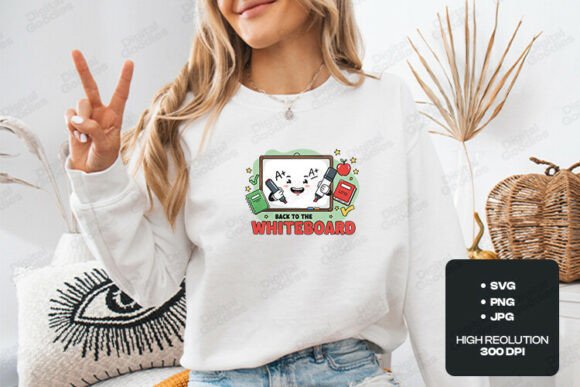
The transition from summer break to the academic year is a period of significant cultural shift. For educators, administrators, and creators in the education sector, this moment represents an opportunity to reset the tone of learning environments. Central to this reset is visual identity. The Back to the Whiteboard School Design has emerged as a potent symbol of this seasonal renewal, blending nostalgia with modern pedagogical enthusiasm. This specific design aesthetic, characterized by a cute smiling whiteboard character surrounded by school supplies, does more than decorate; it communicates positive classroom energy, learning motivation, and the vibrant "teacher life" vibes that are essential for fostering engagement.
In an era where digital interfaces dominate daily interactions, physical spaces and tangible materials require distinct visual anchors to capture attention. Whether you are designing apparel for staff, creating invitations for open houses, or producing stickers for student rewards, the choice of imagery plays a critical role in setting expectations. This article explores the multifaceted applications of the Back to the Whiteboard School Design, analyzing its structural components, technical specifications, and strategic value across various professional and consumer sectors.
The Psychology of Visual Learning Cues
Understanding why the Back to the Whiteboard School Design resonates requires a look at educational psychology. The whiteboard itself is a universal icon of knowledge transfer, collaboration, and clarity. By personifying this object with a smiling character, the design humanizes the tools of learning. It transforms a static piece of equipment into a friendly companion, reducing anxiety associated with new academic challenges.
This approach aligns with contemporary trends in early childhood and elementary education, which emphasize social-emotional learning alongside academic rigor. A cheerful mascot suggests that mistakes are part of the process—after all, one can always erase and try again. This mindset encourages resilience and curiosity. For professionals in instructional design and curriculum development, leveraging such imagery helps create an inclusive atmosphere where students feel safe to participate. The inclusion of school supplies further grounds the design in reality, reminding viewers of the tactile, hands-on nature of traditional learning that remains vital even in hybrid educational models.
Technical Specifications and File Formats
For designers, printers, and business owners, the versatility of a digital asset is determined by its file structure. The Back to the Whiteboard School Design is typically offered in a comprehensive suite of formats to ensure compatibility across different production workflows. Understanding these formats is crucial for achieving high-quality results.
- PNG (Portable Network Graphics): This format is highly recommended for web use and projects requiring transparency. The Back to the Whiteboard School Design in PNG format features a transparent background, allowing the illustration to be overlaid on any color or texture without a bounding box. With a resolution of 300 DPI (dots per inch), it ensures crisp edges and vibrant colors when used in digital marketing materials, such as social media posts, email newsletters, or website banners.
- SVG (Scalable Vector Graphics): For large-scale applications, the SVG version is indispensable. As a vector file, it is mathematically defined rather than pixel-based, meaning it can be scaled to any size—from a small sticker to a massive wall mural—without losing quality. This makes it ideal for professional printing services that require precise cutting lines or for designers who need to modify colors or elements within the illustration using software like Adobe Illustrator or Inkscape.
- JPG (Joint Photographic Experts Group): While JPG files typically have solid backgrounds, the high-resolution 300 DPI version of the Back to the Whiteboard School Design offers excellent compatibility with standard photo editing software and print-on-demand platforms. It is particularly useful for quick previews or for projects where a simple raster image suffices, such as basic document headers or low-cost promotional flyers.
Selecting the correct format depends on the end goal. A graphic designer preparing files for a screen-printed t-shirt run would prioritize the SVG for clean vector paths, while a teacher making classroom labels might prefer the PNG for easy insertion into Canva or Microsoft Word templates.
Strategic Applications in Apparel and Fabric
One of the most visible applications of this design is in the realm of personal expression through apparel. Teachers and education professionals often seek ways to celebrate their profession and build community spirit. The Back to the Whiteboard School Design is perfectly suited for custom clothing lines, including polo shirts, hoodies, and tote bags.
When applied to fabric, the cheerful aesthetic of the smiling whiteboard character creates a sense of approachability and warmth. It signals to students and parents that the educator is enthusiastic and accessible. Furthermore, the design’s bright colors and clear lines translate well to direct-to-garment (DTG) printing and sublimation processes. For businesses specializing in educational merchandise, offering products featuring this design taps into a market of teachers looking for unique, non-generic back-to-school gear. The design’s neutrality regarding specific subjects allows it to appeal to art teachers, math instructors, and science educators alike, broadening its commercial viability.
Stationery, Invitations, and Seasonal Packaging
Beyond apparel, the Back to the Whiteboard School Design serves as a powerful tool for communication and branding in stationery and packaging. Cards and invitations set the tone for events. An invitation to a teacher appreciation dinner, a parent-teacher conference, or a classroom supply drive becomes more engaging when adorned with this lively illustration. The design conveys excitement and positivity, encouraging recipients to view the event as a celebration rather than a formal obligation.
Similarly, gift tags and labels benefit from the compact nature of the artwork. When used on homemade treats, classroom reward items, or welcome baskets for new students, the design adds a personal touch that feels thoughtful and curated. In the context of seasonal packaging, retailers selling school supplies can utilize this design to create limited-edition bundles. The visual cohesion provided by the smiling whiteboard character ties together disparate items—notebooks, pens, and planners—into a unified product experience. This strategy enhances perceived value and drives sales during peak purchasing seasons.
Digital Content and Social Media Engagement
In the digital landscape, content creators and educational influencers rely heavily on visual hooks to stop the scroll. The Back to the Whiteboard School Design is optimized for social media platforms like Instagram, Pinterest, and TikTok. Its transparent PNG format allows creators to overlay text, quotes, or announcements directly onto the image, creating dynamic graphics that highlight key messages about the upcoming school year.
Educators can use these assets to share tips, organize their classrooms, or showcase their teaching philosophy. The "teacher life" vibe inherent in the design resonates strongly with the online teaching community, fostering connection and shared experiences. For example, a blogger writing about classroom management strategies might pair the illustration with headlines about organization and routine. The visual consistency helps build a recognizable brand identity for content creators, making their posts more memorable and shareable.
Considerations for Implementation
While the benefits of using the Back to the Whiteboard School Design are clear, successful implementation requires attention to detail. First, consider the context of placement. Ensure that the design is not obscured by other elements and that there is sufficient contrast between the illustration and the background. Second, think about scalability. If using the PNG for very large prints, verify the dimensions to avoid pixelation. If using the SVG, check that all text elements are converted to outlines if they contain fonts that may not be available on the recipient's system.
Additionally, maintain brand consistency. If integrating this design into a larger marketing campaign, ensure that the color palette complements existing brand colors. The cheerful tones of the whiteboard character should harmonize with the overall aesthetic of the project. Finally, respect copyright and licensing agreements. Whether purchasing a license for commercial use or using free resources for personal projects, understanding the terms of use protects your work and supports the artists who create these valuable assets.
Conclusion
The Back to the Whiteboard School Design is more than just a festive illustration; it is a versatile tool that bridges the gap between administrative planning and creative expression. By combining technical versatility with emotional resonance, it supports a wide range of applications from apparel manufacturing to digital marketing. For educators and creators alike, embracing this design means investing in a positive, motivated, and visually cohesive educational experience. As the new season approaches, leveraging these assets can help transform ordinary spaces and materials into inspiring reminders of the joy of learning.