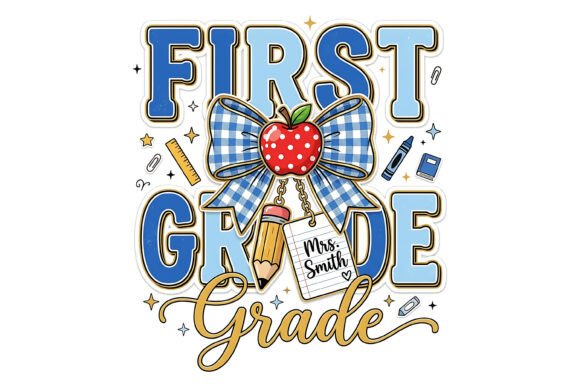
First Grade School Typography Design
Walking into a first-grade classroom is an exercise in sensory overload, but for educators and parents alike, the visual environment plays a quiet, powerful role in shaping how children interact with learning materials. At the heart of this visual language is First Grade School Typography Design. It isn’t just about picking a cute font; it’s about creating a bridge between complex academic concepts and the developing minds of six- and seven-year-olds. When you look at high-quality educational assets, you are looking at a carefully curated mix of readability, engagement, and developmental appropriateness.
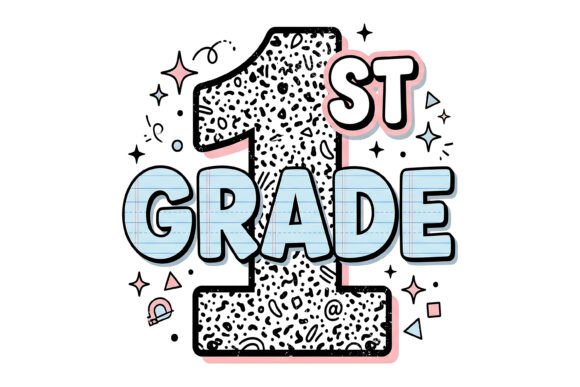
This specific style of typography blends playful aesthetics with functional clarity. It moves beyond standard serif or sans-serif fonts to include letterforms that mimic handwriting, bold block letters for emphasis, and decorative elements that hint at school supplies like pencils, apples, and backpacks. The goal is to make the act of reading feel less like a chore and more like an adventure. For anyone involved in the education sector—from teachers setting up their classrooms to parents creating home-learning stations—understanding the nuances of these designs can transform ordinary worksheets into exciting learning tools.
The Classroom Environment as a Learning Tool
One of the most immediate applications for First Grade School Typography Design is in the physical setup of the classroom. Teachers spend hours decorating walls, labeling bins, and creating bulletin boards. Using cohesive typography helps create a structured yet welcoming atmosphere. When a teacher uses a consistent set of fonts for headings, body text, and labels, it reduces cognitive load for students. They begin to recognize patterns. A heading in a bubbly, colorful font signals “This is important,” while a clean, readable script might signal “Read this story.”
Consider the morning routine area. A schedule board designed with clear, distinct typography helps children understand the flow of their day. If the font used for “Math Time” is different from “Recess,” it provides a visual cue that aids in transition management. This is particularly helpful for students who may struggle with executive function or have special educational needs. The right design choices can subtly guide behavior and expectations without a single word of instruction being spoken aloud.
Empowering Parents and Home Learning
While schools provide structure, the home environment is where reinforcement happens. Parents often find themselves searching for ways to make homework time less stressful and more engaging. Downloadable digital assets featuring First Grade School Typography Design offer a practical solution here. Whether it’s a custom reward chart, a vocabulary flashcard set, or a simple “Good Morning” note left on the lunchbox, these small touches matter.
Imagine a parent creating a personalized reading log. By using a design that features cheerful, child-friendly lettering, the task feels less like an administrative burden and more like a shared activity. These resources allow adults to bring a professional, polished look to home projects without needing graphic design skills. The accessibility of these designs means that even if you aren’t an artist, you can produce materials that look intentional and supportive of your child’s education.
Crafting and Educational Workshops
Beyond the traditional classroom and home, there is a growing community of crafters, Etsy sellers, and educational content creators who rely heavily on these typographic styles. For individuals who sell handmade educational products, having access to versatile First Grade School Typography Design files is crucial. These designers need assets that are not only visually appealing but also technically robust.
When selecting a design package, versatility is key. A good set will include variations that work for both print and digital use. For instance, a seller might use one font style for the main title of a worksheet and another for the instructions. The ability to layer these fonts allows for a hierarchy of information that guides the user’s eye naturally. Furthermore, for those who use cutting machines like Cricut or Silhouette, having vector-compatible or high-resolution raster files ensures that every curve and angle remains crisp when cut from cardstock or vinyl.
Digital Integration and Modern Classrooms
We cannot discuss modern education without acknowledging the shift toward digital learning. Interactive whiteboards, tablets, and online learning platforms all require typography that is legible on screens. First Grade School Typography Design adapts well to this medium by prioritizing size and contrast. On a small tablet screen, intricate details can get lost, so effective digital typography focuses on bold outlines and high-contrast colors.
Educators creating digital slideshows or interactive PDFs can use these designs to maintain consistency between their physical and virtual classrooms. If a student sees the same playful font on a paper worksheet and on a screen-based quiz, it creates a sense of continuity. This is especially beneficial for hybrid learning models where students split their time between home and school. The visual language becomes a constant friend in an otherwise changing environment.
Practical Considerations for Selection
Not all fonts labeled as “cute” are suitable for early literacy development. When exploring First Grade School Typography Design, it is essential to consider legibility. Some overly decorative fonts can blur the distinction between similar letters, such as ‘a’ and ‘o’, or ‘m’ and ‘n’. For first graders who are still decoding words, clarity is paramount. Look for designs that balance whimsy with structural integrity. The letters should be distinct and easy to trace, supporting the motor skills required for writing.
Another consideration is the format of the files you receive. Most high-quality digital downloads come in a ZIP file containing multiple formats, typically JPEG and PNG transparent versions. The JPEG format is perfect for quick previews or simple printing, while the PNG with transparency allows for seamless integration into other design software. This flexibility means you can place a typographic element over any background color or image without a distracting white box around it. This technical detail might seem minor, but it saves significant time during the editing process.
Building a Resource Library
For teachers and parents, building a library of these assets is a long-term investment. Instead of designing new materials from scratch every semester, having a trusted source for First Grade School Typography Design allows for rapid customization. You can take a basic template and swap out the text to fit a new lesson plan, a holiday theme, or a specific student interest. This efficiency frees up valuable time for actual teaching and interaction.
Supporting creators in this space also encourages the production of higher-quality, more diverse resources. When users favorite stores or listings, they help algorithms surface relevant content and support the artists who dedicate hours to refining letterforms. It creates a sustainable ecosystem where educators have access to affordable, professional-grade tools that enhance the learning experience. Ultimately, the best typography is the kind that disappears into the background, allowing the content and the connection between teacher and student to take center stage.