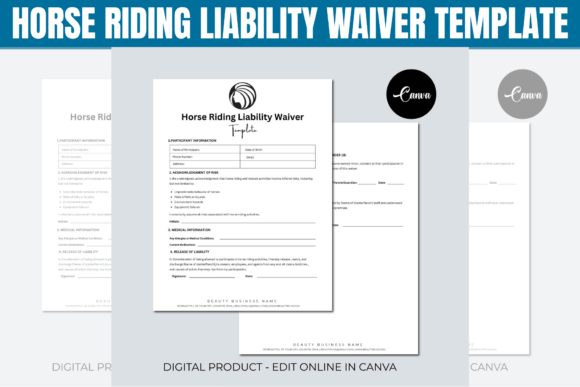
Protecting Your Equestrian Business: A Comprehensive Guide to the Horse Riding Liability Waiver Template
The equestrian industry is built on a foundation of trust, skill, and mutual respect between humans and animals. However, it is also an activity that carries inherent physical risks. Whether you operate a bustling riding school, a tranquil stable offering trail rides, or an event organization hosting equestrian competitions, the potential for accidents is a reality that cannot be ignored. In such environments, having robust legal protection is not merely a bureaucratic formality; it is a critical component of responsible business management. This is where a Horse Riding Liability Waiver Template becomes an indispensable tool for professionals across the sector.
This guide explores the essential role of liability waivers in the horse riding industry, detailing how they protect businesses, clarify client responsibilities, and contribute to overall safety protocols. By understanding the nuances of these documents, business owners can ensure they are adequately shielded from unforeseen liabilities while maintaining high standards of care for their clients and horses.
The Inherent Risks of Equine Activities
To understand the necessity of a waiver, one must first appreciate the nature of the activity. Horses are large, powerful animals with unpredictable instincts. Even the most well-trained and gentle horse can react unexpectedly to sudden noises, unfamiliar surroundings, or subtle cues from its rider. The American Veterinary Medical Association and various equine liability acts recognize that participation in horse-related activities involves significant risk, including but not limited to falls, kicks, bites, crushing injuries, and even fatalities.
Because these risks are intrinsic to the sport, participants are generally expected to assume them. However, relying solely on the concept of "assumption of risk" without documented acknowledgment can leave a business vulnerable. A Horse Riding Liability Waiver Template serves as the formal mechanism through which this assumption of risk is recorded. It ensures that every individual stepping into the saddle has explicitly acknowledged the dangers involved, thereby reducing ambiguity in the event of an incident.
Key Components of an Effective Equine Waiver
A generic contract is rarely sufficient for the unique demands of an equestrian business. An effective Horse Riding Liability Waiver Template is comprehensive and tailored to the specific operations of the facility. While legal requirements vary by jurisdiction, certain elements are universally recommended to ensure clarity and enforceability.
- Assumption of Risk Clause: This section clearly outlines the specific hazards associated with horse riding. It should mention physical injuries, property damage, and the unpredictable nature of animals. By listing these risks explicitly, the waiver helps prevent claims based on ignorance of danger.
- Release of Liability: This is the core protective element. It states that the participant (or their guardian) agrees to release the stable, instructors, and employees from liability for negligence, except in cases of gross negligence or intentional misconduct. It is crucial to note that waivers typically do not protect against reckless behavior by the business owner.
- Medical Authorization: In the event of an emergency, immediate action may be required. This clause grants permission for the business to seek medical treatment for the participant if they are unable to consent, ensuring that delays in care do not exacerbate injuries.
- Code of Conduct: Establishing behavioral expectations is vital for safety. Participants should agree to follow instructor directions, wear appropriate safety gear (such as helmets), and refrain from abusive behavior toward horses. Violations of this code can sometimes void the waiver’s protections.
- Photo and Media Release: Many equestrian centers use photos and videos for marketing purposes. Including a media release prevents future disputes regarding the use of a participant’s likeness.
Customization and Digital Accessibility
In today’s digital age, the way businesses handle documentation has evolved significantly. Modern solutions, such as a Horse Riding Liability Waiver Template available in editable formats like Canva, offer unprecedented flexibility. Unlike static PDFs that require printing, signing, scanning, and filing, digital templates allow for seamless customization and electronic distribution.
For riding schools and stables, the ability to edit text, layout, fonts, and branding is invaluable. Business owners can insert their specific company name, address, and unique operational rules directly into the document. This ensures that the waiver aligns perfectly with the business’s identity and policies. Furthermore, being available in standard sizes like US Letter and A4 means the document can be easily printed for on-site signing or shared electronically via email and mobile devices for pre-arrival completion.
Benefits for Different Stakeholders
The advantages of using a well-crafted waiver extend beyond simple legal protection. They foster a professional environment and improve operational efficiency for various stakeholders within the equestrian community.
For Business Owners and Managers
Minimizing legal risks is the primary benefit. A signed waiver provides a strong defense in litigation, potentially saving thousands of dollars in legal fees and settlement costs. Additionally, it helps maintain organized records. Having a standardized process for collecting waivers ensures that no client rides without proper authorization, creating a consistent audit trail.
For Instructors and Staff
Instructors often bear the brunt of blame when accidents occur, even when they are not at fault. A clear waiver shifts some of the legal burden away from individual staff members, allowing them to focus on teaching and safety rather than worrying about personal liability. It also clarifies the boundaries of their responsibility, reinforcing that safety is a shared effort between the instructor and the rider.
For Clients and Riders
While waivers might seem one-sided, they actually benefit clients by promoting transparency. When riders read a detailed list of risks, they become more aware of their own responsibilities. This awareness often leads to more cautious and respectful behavior around horses, ultimately enhancing safety for everyone involved. It also sets clear expectations, preventing misunderstandings about what the business provides and what the rider must bring or do.
Implementation Strategies for Equestrian Centers
Having a template is only half the battle; implementing it effectively is key. Here is a practical workflow for integrating a Horse Riding Liability Waiver Template into your daily operations.
- Download and Customize: After acquiring the template, open it in your preferred design tool. Replace placeholder text with your business details. Ensure the language is clear and accessible, avoiding overly complex legal jargon where possible.
- Legal Review: Although the template provides a strong foundation, local laws vary significantly. It is highly advisable to have a qualified attorney review your customized waiver to ensure compliance with state or national regulations. Some jurisdictions have specific wording requirements for equine liability waivers.
- Digital Integration: If possible, integrate the waiver into your booking system. Allow clients to sign digitally before they arrive. This reduces wait times at the stable and ensures that all paperwork is complete before the first lesson begins.
- Physical Copies: Always keep printed copies available for walk-in clients or those who prefer traditional signatures. Store these securely in a locked file cabinet, accessible only to authorized personnel.
- Regular Updates: Review your waiver annually. Update it to reflect any changes in your services, insurance policies, or local legislation. An outdated waiver may not provide the protection you expect.
Common Misconceptions About Liability Waivers
There are several myths surrounding liability waivers that can lead to false security or confusion among business owners.
Misconception 1: A waiver protects against all accidents.
This is incorrect. A waiver generally does not protect against gross negligence, intentional harm, or violations of statutory duties. If a stable fails to maintain safe equipment or allows an unqualified person to instruct, a waiver may not hold up in court.
Misconception 2: Minors cannot sign waivers.
While minors cannot legally enter into contracts, parents or guardians can sign waivers on their behalf. It is crucial that the waiver specifies that the parent/guardian is assuming the risk for the child. Without this signature, the minor’s participation may not be covered.
Misconception 3: Verbal agreements are sufficient.
Relying on verbal assurances is risky and difficult to prove in a dispute. A written, signed document is the gold standard for evidence. Even if a client says they understand the risks, without a signature, it is their word against yours.
Conclusion
Operating an equestrian business requires a delicate balance of passion, expertise, and prudence. The Horse Riding Liability Waiver Template is a vital instrument in this balance, offering a structured way to manage risk and protect your livelihood. By clearly communicating the inherent dangers of horse riding and securing explicit acknowledgment from clients, you create a safer, more professional environment for everyone.
Remember that a waiver is part of a broader risk management strategy. It should be complemented by thorough safety training, regular equipment inspections, and competent instruction. By combining legal safeguards with operational excellence, you can focus on what matters most: sharing the joy and beauty of horse riding with your clients. As you implement these tools, always prioritize clarity, professionalism, and ongoing legal consultation to ensure your business remains resilient and reputable in the competitive equestrian market.